Bone Marrow Transplant in India
Save up to 73%Compare hospitals and planning costs for your treatment in India. Our care team helps coordinate hospital selection, travel and follow-up. No service fees for patients.
Planning range: $8,000–$15,000
Planning estimate, not a hospital quote. Confirm the procedure, inclusions, and current price with our care team.
Request my treatment estimate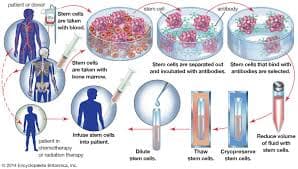
About Bone Marrow Transplant
Treatment for blood cancers that replaces damaged bone marrow with healthy cells.
Cost of Bone Marrow Transplant in India
India
$8,000 – $15,000
US reference range
$30,000 – $60,000
Estimated savings
Up to 73%
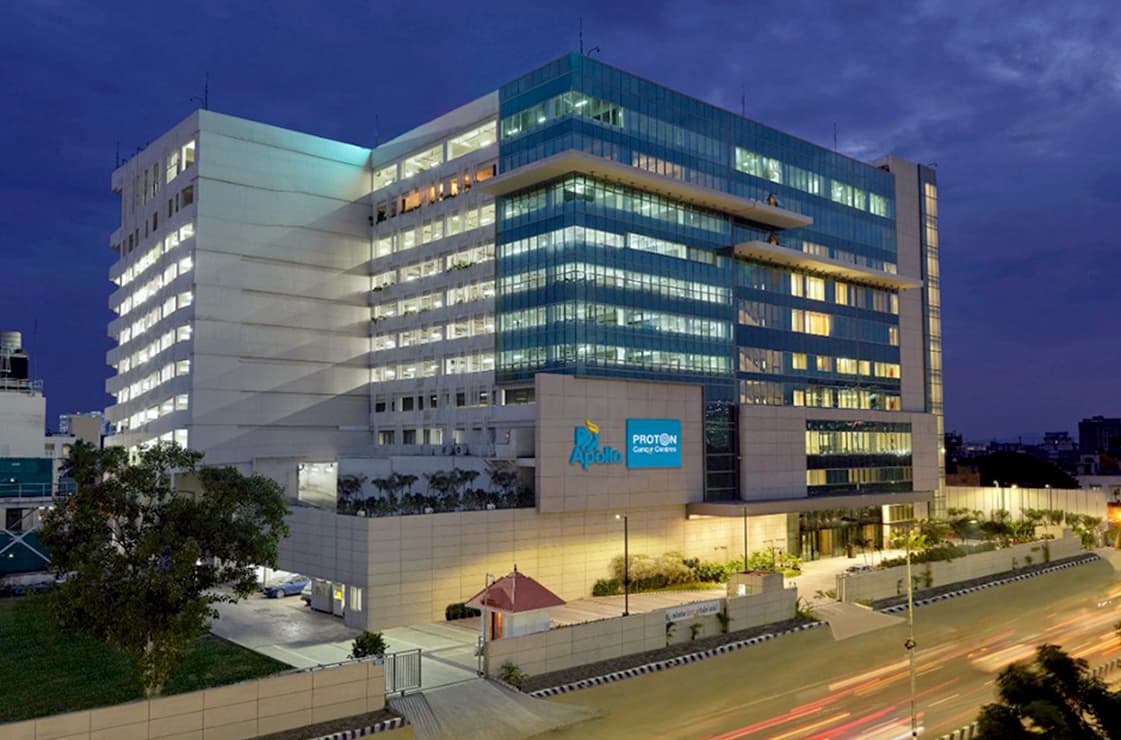
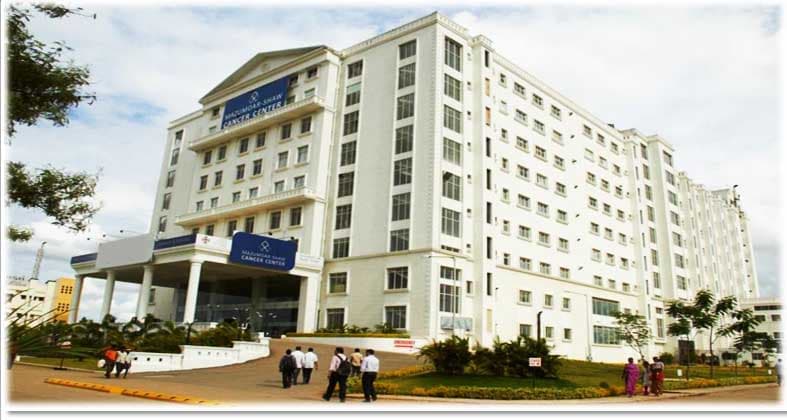
Hospitals for Bone Marrow Transplant in India


With Travel4Treatment vs. On Your Own
Coordinating treatment abroad alone takes weeks. We handle every step — at zero cost to you.
Free. No service fees. Ever.
With Travel4Treatment
- Free consultation with a dedicated case manager
- Vetted JCI-accredited hospitals matched to your case
- Doctor's written second opinion before you travel
- Visa invitation letter and embassy guidance
- On-the-ground translator on day of admission
- Insurance liaison and claim documentation help
- 24/7 WhatsApp support before, during, and after
- Post-treatment follow-up coordinated with local doctor
On Your Own
- Hours of research, no expert to ask
- Guesswork on which hospital to trust
- Pay $300–$1,000 for an independent second opinion
- Visa rejections common without medical letter
- Communication breakdowns at critical moments
- Reimbursement claims often denied for missing paperwork
- Time-zone gaps when something goes wrong
- Discharge papers in a foreign language, no follow-up plan
We're paid by partner hospitals — never by patients. Your quote is the hospital's quote, end-to-end.
Patient information by country
Explore existing country guides for travel planning and questions to discuss with our care team.
Before you choose a hospital
Ask for an itemized estimate covering the procedure, hospital stay, tests and medicines. Confirm separately what is included for accommodation, travel, a companion and follow-up. Your treating team should confirm suitability, recovery and travel timing for your case.
Frequently Asked Questions
What are the different types of bone marrow transplants?
There are two main types: autologous transplants, where the patient's own stem cells are collected and reinfused after high-dose chemotherapy, and allogeneic transplants, where stem cells come from a matched donor, typically a sibling or unrelated donor found through a registry. The choice depends on the specific disease, its stage, and the patient's overall health.
How long does a patient need to stay in the hospital for a bone marrow transplant?
A bone marrow transplant typically requires a hospital stay of 3 to 6 weeks. This includes the conditioning phase with chemotherapy or radiation, the transplant itself, and initial recovery while waiting for the new marrow to engraft and begin producing blood cells. Patients must remain in a sterile environment due to their severely weakened immune system during this period.
How long do I need to stay near the hospital after a bone marrow transplant?
After discharge, patients should remain within 30 minutes of the transplant center for an additional 2 to 3 months for frequent follow-up visits, blood work, and monitoring for complications such as graft-versus-host disease. During this time, the immune system is still recovering, and close medical supervision is essential. Most hospitals can arrange nearby accommodation for patients and their caregivers.
What are the main risks of bone marrow transplant?
The main risks include graft-versus-host disease (in allogeneic transplants), where the donor cells attack the recipient's tissues, infections due to the severely weakened immune system, organ damage from the conditioning chemotherapy or radiation, and graft failure where the transplanted cells do not engraft successfully. Experienced transplant centers have protocols to manage these risks, and survival rates continue to improve with advances in supportive care and donor matching.
Can a donor be found if I don't have a matching sibling?
Yes, unrelated donors can be found through international bone marrow registries that collectively hold over 40 million registered donors worldwide. Additionally, haploidentical transplants using a half-matched family member, such as a parent or child, have become increasingly successful with newer techniques. Cord blood transplants are another option. The transplant team will conduct a thorough donor search and recommend the best available match for your specific case.