Corneal Transplant in India
Save up to 80%Compare hospitals and planning costs for your treatment in India. Our care team helps coordinate hospital selection, travel and follow-up. No service fees for patients.
Planning range: $2,000–$4,000
Planning estimate, not a hospital quote. Confirm the procedure, inclusions, and current price with our care team.
Request my treatment estimate
About Corneal Transplant
Surgical procedure to replace a damaged or diseased cornea with a healthy one from a donor.
Cost of Corneal Transplant in India
India
$2,000 – $4,000
US reference range
$10,000 – $20,000
Estimated savings
Up to 80%
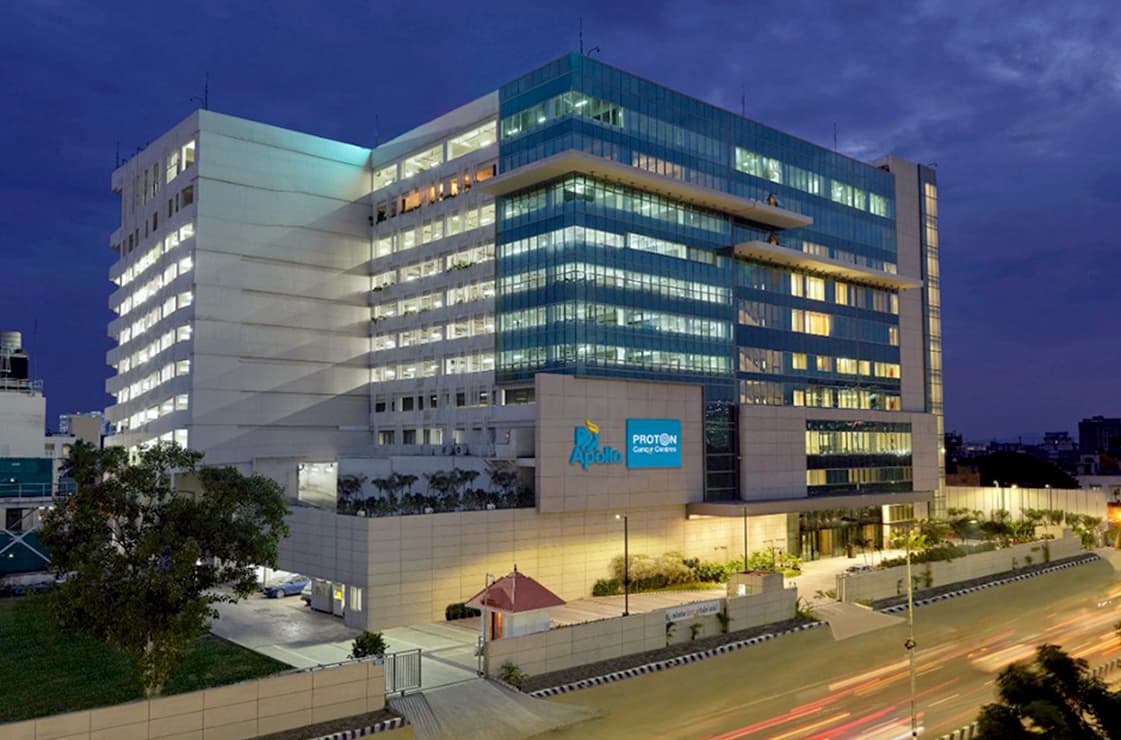
Hospitals for Corneal Transplant in India


With Travel4Treatment vs. On Your Own
Coordinating treatment abroad alone takes weeks. We handle every step — at zero cost to you.
Free. No service fees. Ever.
With Travel4Treatment
- Free consultation with a dedicated case manager
- Vetted JCI-accredited hospitals matched to your case
- Doctor's written second opinion before you travel
- Visa invitation letter and embassy guidance
- On-the-ground translator on day of admission
- Insurance liaison and claim documentation help
- 24/7 WhatsApp support before, during, and after
- Post-treatment follow-up coordinated with local doctor
On Your Own
- Hours of research, no expert to ask
- Guesswork on which hospital to trust
- Pay $300–$1,000 for an independent second opinion
- Visa rejections common without medical letter
- Communication breakdowns at critical moments
- Reimbursement claims often denied for missing paperwork
- Time-zone gaps when something goes wrong
- Discharge papers in a foreign language, no follow-up plan
We're paid by partner hospitals — never by patients. Your quote is the hospital's quote, end-to-end.
Patient information by country
Explore existing country guides for travel planning and questions to discuss with our care team.
Before you choose a hospital
Ask for an itemized estimate covering the procedure, hospital stay, tests and medicines. Confirm separately what is included for accommodation, travel, a companion and follow-up. Your treating team should confirm suitability, recovery and travel timing for your case.
Frequently Asked Questions
How long does it take to recover vision after a corneal transplant?
Vision recovery after a corneal transplant is gradual and can take several months to over a year. Initial improvement may be noticeable within a few weeks, but full visual stabilization often takes 12 to 18 months. Sutures are typically removed gradually over this period, and corrective lenses may be needed to achieve optimal vision. Regular follow-up with your ophthalmologist is essential throughout the recovery process.
What are the risks of corneal transplant rejection?
Corneal transplant rejection occurs in approximately 10 to 20 percent of cases and can happen weeks to years after surgery. Warning signs include redness, sensitivity to light, decreased vision, and pain. If detected early, rejection episodes can often be reversed with corticosteroid eye drops. The risk of rejection is lower with newer partial-thickness transplant techniques such as DSAEK and DMEK compared to traditional full-thickness penetrating keratoplasty.
How long do I need to stay abroad after corneal transplant surgery?
Most patients should plan for a stay of 10 to 14 days abroad. This includes the preoperative evaluation (1 to 2 days), the surgery itself (outpatient or one-night stay), and several post-operative follow-up visits over the next week to check for complications such as infection or early rejection. Your ophthalmologist will confirm that the graft is stable before clearing you to travel home. Long-term follow-up continues with your local eye doctor.
What conditions can be treated with a corneal transplant?
Corneal transplant is performed for conditions including keratoconus (progressive thinning of the cornea), Fuchs endothelial dystrophy, corneal scarring from infections or injuries, corneal ulcers that do not heal with treatment, and corneal clouding that significantly impairs vision. The type of transplant (full-thickness or partial-thickness) depends on which layer of the cornea is affected. Your ophthalmologist will determine the most appropriate procedure based on your specific diagnosis.
Will I still need glasses or contact lenses after a corneal transplant?
Most patients will need some form of vision correction after a corneal transplant. The transplanted cornea may cause astigmatism or changes in refraction that require glasses, rigid contact lenses, or in some cases, additional laser correction surgery once the cornea has fully healed. Newer partial-thickness techniques like DMEK tend to produce faster and more predictable visual outcomes with less astigmatism. Your ophthalmologist will manage your visual rehabilitation as the cornea heals over the following months.