CyberKnife & GammaKnife in Portugal
Save up to 70%Compare hospitals and planning costs for your treatment in Portugal. Our care team helps coordinate hospital selection, travel and follow-up. No service fees for patients.
Planning range: $9,000–$18,000
Planning estimate, not a hospital quote. Confirm the procedure, inclusions, and current price with our care team. This range is estimated from US pricing and a destination multiplier; it is not a confirmed local hospital price.
Request my treatment estimate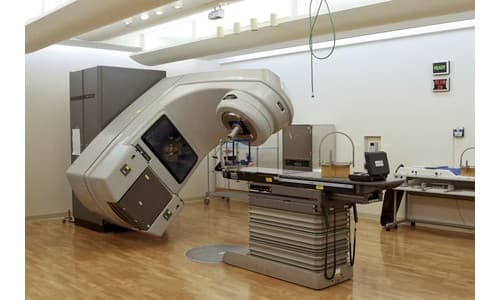
About CyberKnife & GammaKnife
Advanced radiosurgery techniques for precise treatment of tumors without incisions.
Cost of CyberKnife & GammaKnife in Portugal
Portugal
$9,000 – $18,000
US reference range
$30,000 – $60,000
Estimated savings
Up to 70%
Hospitals for CyberKnife & GammaKnife in Portugal

With Travel4Treatment vs. On Your Own
Coordinating treatment abroad alone takes weeks. We handle every step — at zero cost to you.
Free. No service fees. Ever.
With Travel4Treatment
- Free consultation with a dedicated case manager
- Vetted JCI-accredited hospitals matched to your case
- Doctor's written second opinion before you travel
- Visa invitation letter and embassy guidance
- On-the-ground translator on day of admission
- Insurance liaison and claim documentation help
- 24/7 WhatsApp support before, during, and after
- Post-treatment follow-up coordinated with local doctor
On Your Own
- Hours of research, no expert to ask
- Guesswork on which hospital to trust
- Pay $300–$1,000 for an independent second opinion
- Visa rejections common without medical letter
- Communication breakdowns at critical moments
- Reimbursement claims often denied for missing paperwork
- Time-zone gaps when something goes wrong
- Discharge papers in a foreign language, no follow-up plan
We're paid by partner hospitals — never by patients. Your quote is the hospital's quote, end-to-end.
Patient information by country
Explore existing country guides for travel planning and questions to discuss with our care team.
Before you choose a hospital
Ask for an itemized estimate covering the procedure, hospital stay, tests and medicines. Confirm separately what is included for accommodation, travel, a companion and follow-up. Your treating team should confirm suitability, recovery and travel timing for your case.
Frequently Asked Questions
What types of tumors can be treated with CyberKnife or GammaKnife?
CyberKnife and GammaKnife are used to treat a wide range of tumors, including brain tumors (both benign and malignant), brain metastases, acoustic neuromas, pituitary adenomas, arteriovenous malformations, and trigeminal neuralgia. CyberKnife can also target tumors in the spine, lung, liver, pancreas, and prostate. GammaKnife is specifically designed for intracranial conditions. Your radiation oncologist will determine suitability based on tumor size, location, and type.
How many treatment sessions are typically needed with radiosurgery?
GammaKnife treatment is typically completed in a single session lasting 1 to 4 hours. CyberKnife treatments usually require 1 to 5 sessions (called fractions) spread over one to two weeks, depending on the tumor's size and location. Both are outpatient procedures, meaning no hospital stay is required. Most patients can resume normal activities within a few days, making these treatments particularly convenient for medical travelers.
Is radiosurgery painful, and does it require anesthesia?
Radiosurgery is a non-invasive, painless procedure. CyberKnife treatments require no anesthesia and no head frame, so patients simply lie comfortably on the treatment table. GammaKnife requires a lightweight stereotactic frame attached to the head under local anesthesia, which may cause mild discomfort. Most patients report little to no pain during or after either treatment and can return to their accommodation the same day.
What is the difference between CyberKnife and GammaKnife?
GammaKnife uses multiple cobalt-60 radiation sources focused on a single point and is designed exclusively for brain lesions. It requires a rigid head frame for precise targeting. CyberKnife uses a robotic arm to deliver linear accelerator radiation and can treat tumors anywhere in the body, including the brain, spine, lung, and liver. CyberKnife uses real-time image guidance instead of a head frame, making it a frameless and more comfortable experience for patients.
What are the potential side effects of CyberKnife or GammaKnife treatment?
Side effects are generally mild compared to conventional radiation therapy or surgery. Patients may experience temporary fatigue, mild headache, nausea, or localized swelling near the treatment area. These symptoms usually resolve within a few days to weeks. Long-term side effects are uncommon but may include radiation necrosis at the treatment site. Your radiation oncologist will discuss the specific risk profile based on the location and size of your tumor.