Deep Brain Stimulation in India
Save up to 73%Compare hospitals and planning costs for your treatment in India. Our care team helps coordinate hospital selection, travel and follow-up. No service fees for patients.
Planning range: $8,000–$15,000
Planning estimate, not a hospital quote. Confirm the procedure, inclusions, and current price with our care team.
Request my treatment estimate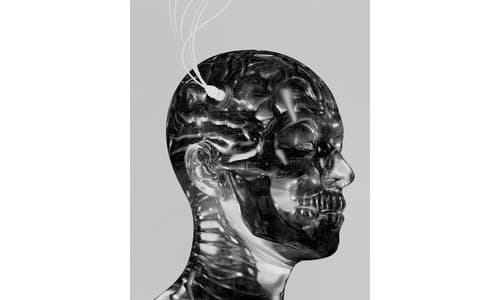
About Deep Brain Stimulation
Implantation of electrodes to treat movement disorders such as Parkinson's disease.
Cost of Deep Brain Stimulation in India
India
$8,000 – $15,000
US reference range
$30,000 – $60,000
Estimated savings
Up to 73%
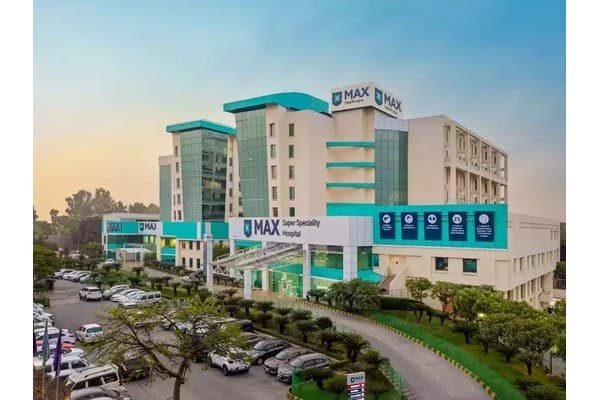
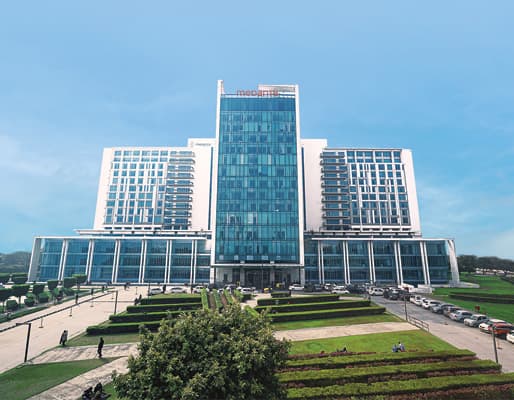
Hospitals for Deep Brain Stimulation in India
With Travel4Treatment vs. On Your Own
Coordinating treatment abroad alone takes weeks. We handle every step — at zero cost to you.
Free. No service fees. Ever.
With Travel4Treatment
- Free consultation with a dedicated case manager
- Vetted JCI-accredited hospitals matched to your case
- Doctor's written second opinion before you travel
- Visa invitation letter and embassy guidance
- On-the-ground translator on day of admission
- Insurance liaison and claim documentation help
- 24/7 WhatsApp support before, during, and after
- Post-treatment follow-up coordinated with local doctor
On Your Own
- Hours of research, no expert to ask
- Guesswork on which hospital to trust
- Pay $300–$1,000 for an independent second opinion
- Visa rejections common without medical letter
- Communication breakdowns at critical moments
- Reimbursement claims often denied for missing paperwork
- Time-zone gaps when something goes wrong
- Discharge papers in a foreign language, no follow-up plan
We're paid by partner hospitals — never by patients. Your quote is the hospital's quote, end-to-end.
Patient information by country
Explore existing country guides for travel planning and questions to discuss with our care team.
Before you choose a hospital
Ask for an itemized estimate covering the procedure, hospital stay, tests and medicines. Confirm separately what is included for accommodation, travel, a companion and follow-up. Your treating team should confirm suitability, recovery and travel timing for your case.
Frequently Asked Questions
Who is a good candidate for deep brain stimulation?
Deep brain stimulation is typically recommended for patients with Parkinson's disease, essential tremor, or dystonia who no longer respond adequately to medication. Candidates should be in generally good health and have realistic expectations about the outcomes. A comprehensive neurological evaluation is performed to determine suitability.
What is the recovery time after deep brain stimulation surgery?
Most patients stay in the hospital for 1 to 3 days after electrode implantation. The neurostimulator device is typically programmed 2 to 4 weeks after surgery. Full recovery and optimal programming adjustments may take several months. Patients can usually return to daily activities within 4 to 6 weeks, with ongoing follow-up to fine-tune the stimulation settings.
Can the DBS device be adjusted remotely after I return home?
Some newer DBS systems support remote programming adjustments via telemedicine, allowing your neurologist to fine-tune stimulation settings without an in-person visit. However, a local neurologist experienced in DBS management should be identified before your trip to handle routine programming and any urgent adjustments. The implanting hospital will provide detailed programming records to ensure seamless continuity of care.
What are the potential side effects of deep brain stimulation?
Side effects can include temporary tingling, muscle tightness, speech difficulties, or balance problems, most of which can be resolved by adjusting the stimulation settings. Surgical risks include infection at the implant site, bleeding in the brain, and stroke, though these serious complications are rare at experienced centers. The procedure does not damage brain tissue, and stimulation can be turned off or adjusted if side effects occur.
How much improvement can I expect from deep brain stimulation for Parkinson's disease?
Studies show that DBS can reduce motor symptoms of Parkinson's disease by 50 to 70 percent, including tremor, rigidity, and slowness of movement. Many patients are able to significantly reduce their medication dosages. However, DBS does not cure Parkinson's disease or halt its progression. The best results are seen in patients who still respond to levodopa medication but experience fluctuations in its effectiveness throughout the day.