Gastric Bypass in Thailand
Save up to 67%Compare hospitals and planning costs for your treatment in Thailand. Our care team helps coordinate hospital selection, travel and follow-up. No service fees for patients.
Planning range: $5,000–$10,000
Planning estimate, not a hospital quote. Confirm the procedure, inclusions, and current price with our care team.
Request my treatment estimate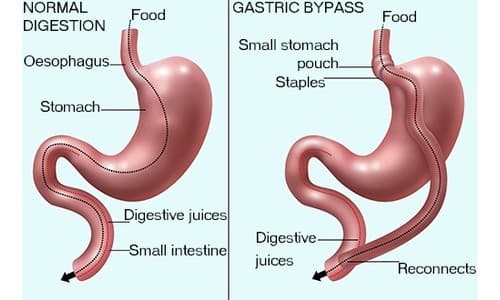
About Gastric Bypass
Bariatric procedures to help with weight loss for severely obese patients.
Cost of Gastric Bypass in Thailand
Thailand
$5,000 – $10,000
US reference range
$15,000 – $30,000
Estimated savings
Up to 67%
Hospitals for Gastric Bypass in Thailand

With Travel4Treatment vs. On Your Own
Coordinating treatment abroad alone takes weeks. We handle every step — at zero cost to you.
Free. No service fees. Ever.
With Travel4Treatment
- Free consultation with a dedicated case manager
- Vetted JCI-accredited hospitals matched to your case
- Doctor's written second opinion before you travel
- Visa invitation letter and embassy guidance
- On-the-ground translator on day of admission
- Insurance liaison and claim documentation help
- 24/7 WhatsApp support before, during, and after
- Post-treatment follow-up coordinated with local doctor
On Your Own
- Hours of research, no expert to ask
- Guesswork on which hospital to trust
- Pay $300–$1,000 for an independent second opinion
- Visa rejections common without medical letter
- Communication breakdowns at critical moments
- Reimbursement claims often denied for missing paperwork
- Time-zone gaps when something goes wrong
- Discharge papers in a foreign language, no follow-up plan
We're paid by partner hospitals — never by patients. Your quote is the hospital's quote, end-to-end.
Patient information by country
Explore existing country guides for travel planning and questions to discuss with our care team.
Before you choose a hospital
Ask for an itemized estimate covering the procedure, hospital stay, tests and medicines. Confirm separately what is included for accommodation, travel, a companion and follow-up. Your treating team should confirm suitability, recovery and travel timing for your case.
Frequently Asked Questions
What is the minimum BMI required to qualify for gastric bypass surgery?
Generally, patients need a BMI of 40 or higher, or a BMI of 35 or higher with at least one serious obesity-related health condition such as type 2 diabetes, high blood pressure, or sleep apnea. Your bariatric surgeon will conduct a thorough evaluation to determine if you are a suitable candidate.
How much weight can I expect to lose after gastric bypass?
Most patients lose 60 to 80 percent of their excess body weight within the first 12 to 18 months after surgery. Long-term success depends on maintaining a healthy diet, regular exercise, and attending follow-up appointments with your medical team. Nutritional supplements are typically required for life to prevent vitamin deficiencies.
What dietary changes are required after gastric bypass surgery?
After gastric bypass, patients follow a staged diet progression: clear liquids for the first week, pureed foods for 2 to 4 weeks, soft foods for the next 4 weeks, and then a gradual return to solid foods. Portions are significantly smaller, and patients must chew thoroughly and eat slowly. High-sugar and high-fat foods should be avoided as they can cause dumping syndrome. Lifelong vitamin and mineral supplements, including B12, iron, calcium, and a multivitamin, are essential.
Is gastric bypass reversible?
Gastric bypass is technically reversible but reversal surgery is complex, carries significant risks, and is rarely performed. It is considered a permanent procedure, and patients should be fully committed to the lifelong lifestyle changes it requires before proceeding. Alternative procedures such as gastric sleeve may be discussed with your bariatric surgeon if reversibility is a major concern.
What pre-operative evaluations are needed before gastric bypass abroad?
Before traveling, you will need a comprehensive evaluation including blood tests, cardiac assessment, pulmonary function tests, psychological evaluation, nutritional counseling, and an upper endoscopy. Many hospitals offer pre-screening via telemedicine so you can complete some assessments before you travel. This evaluation ensures you are medically fit for surgery and helps the bariatric team develop a personalized treatment plan.