Kidney Transplantation in India
Save up to 75%Compare hospitals and planning costs for your treatment in India. Our care team helps coordinate hospital selection, travel and follow-up. No service fees for patients.
Planning range: $5,000–$10,000
Planning estimate, not a hospital quote. Confirm the procedure, inclusions, and current price with our care team.
Request my treatment estimate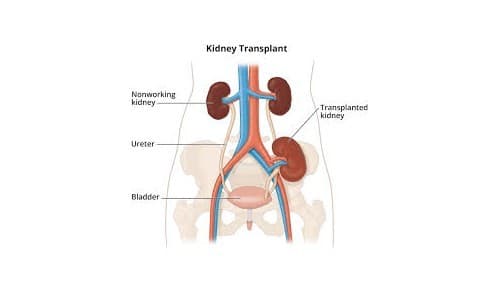
About Kidney Transplantation
Surgical procedure to place a healthy kidney from a donor into a person with kidney failure.
Cost of Kidney Transplantation in India
India
$5,000 – $10,000
US reference range
$20,000 – $40,000
Estimated savings
Up to 75%
Hospitals for Kidney Transplantation in India



With Travel4Treatment vs. On Your Own
Coordinating treatment abroad alone takes weeks. We handle every step — at zero cost to you.
Free. No service fees. Ever.
With Travel4Treatment
- Free consultation with a dedicated case manager
- Vetted JCI-accredited hospitals matched to your case
- Doctor's written second opinion before you travel
- Visa invitation letter and embassy guidance
- On-the-ground translator on day of admission
- Insurance liaison and claim documentation help
- 24/7 WhatsApp support before, during, and after
- Post-treatment follow-up coordinated with local doctor
On Your Own
- Hours of research, no expert to ask
- Guesswork on which hospital to trust
- Pay $300–$1,000 for an independent second opinion
- Visa rejections common without medical letter
- Communication breakdowns at critical moments
- Reimbursement claims often denied for missing paperwork
- Time-zone gaps when something goes wrong
- Discharge papers in a foreign language, no follow-up plan
We're paid by partner hospitals — never by patients. Your quote is the hospital's quote, end-to-end.
Patient information by country
Explore existing country guides for travel planning and questions to discuss with our care team.
Before you choose a hospital
Ask for an itemized estimate covering the procedure, hospital stay, tests and medicines. Confirm separately what is included for accommodation, travel, a companion and follow-up. Your treating team should confirm suitability, recovery and travel timing for your case.
Frequently Asked Questions
How long can a transplanted kidney last?
A kidney from a living donor typically lasts 15 to 20 years on average, while a kidney from a deceased donor lasts about 10 to 15 years. Longevity depends on factors such as the quality of the donor match, adherence to immunosuppressive medications, and the recipient's overall health. Some transplanted kidneys have functioned well for over 25 years.
Is kidney transplant better than long-term dialysis?
For most patients with end-stage kidney disease, transplantation offers a significantly better quality of life and longer survival compared to long-term dialysis. Transplant recipients can enjoy a more flexible diet, fewer fluid restrictions, and greater independence. However, transplantation requires lifelong immunosuppressive therapy, and not all patients are suitable candidates. Your nephrologist will evaluate your individual case to determine the best treatment option.
Can I bring my own living donor when traveling abroad for a kidney transplant?
Yes, most international transplant centers accept patients who travel with their own living donor, typically a family member. Both the donor and recipient undergo thorough medical and psychological evaluations at the hospital to confirm compatibility and fitness for surgery. The hospital's transplant ethics committee reviews each case to ensure the donation is voluntary and ethical. Both surgeries are performed simultaneously by separate surgical teams.
How long do I need to stay near the transplant center after kidney transplant surgery?
After discharge from the hospital (typically 7 to 10 days post-surgery), patients should remain near the transplant center for an additional 4 to 6 weeks for frequent blood tests and medication adjustments. During this critical period, the medical team monitors kidney function closely and watches for signs of rejection. After stabilization, follow-up care can be transferred to your local nephrologist with periodic reports shared between teams.
What lifestyle changes are needed after a kidney transplant?
After a kidney transplant, patients must take immunosuppressive medications as prescribed without missing doses, maintain good hygiene to reduce infection risk, follow a balanced diet low in salt and processed foods, stay hydrated, exercise regularly, avoid smoking and excessive alcohol, and attend all follow-up appointments. Sun protection is especially important as immunosuppressive drugs increase the risk of skin cancer. With proper adherence to these guidelines, most patients enjoy an active and fulfilling life after transplant.