Robotic Oncological Surgery in Cayman Islands
Save up to 50%Compare hospitals and planning costs for your treatment in Cayman Islands. Our care team helps coordinate hospital selection, travel and follow-up. No service fees for patients.
Planning range: $20,000–$40,000
Planning estimate, not a hospital quote. Confirm the procedure, inclusions, and current price with our care team. This range is estimated from US pricing and a destination multiplier; it is not a confirmed local hospital price.
Request my treatment estimate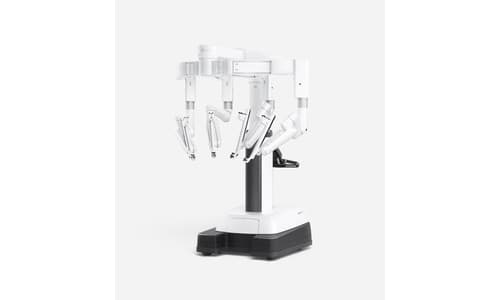
About Robotic Oncological Surgery
Minimally invasive robotic surgeries for prostate, kidney, liver, and other cancers.
Cost of Robotic Oncological Surgery in Cayman Islands
Cayman Islands
$20,000 – $40,000
US reference range
$40,000 – $80,000
Estimated savings
Up to 50%
Hospitals for Robotic Oncological Surgery in Cayman Islands

With Travel4Treatment vs. On Your Own
Coordinating treatment abroad alone takes weeks. We handle every step — at zero cost to you.
Free. No service fees. Ever.
With Travel4Treatment
- Free consultation with a dedicated case manager
- Vetted JCI-accredited hospitals matched to your case
- Doctor's written second opinion before you travel
- Visa invitation letter and embassy guidance
- On-the-ground translator on day of admission
- Insurance liaison and claim documentation help
- 24/7 WhatsApp support before, during, and after
- Post-treatment follow-up coordinated with local doctor
On Your Own
- Hours of research, no expert to ask
- Guesswork on which hospital to trust
- Pay $300–$1,000 for an independent second opinion
- Visa rejections common without medical letter
- Communication breakdowns at critical moments
- Reimbursement claims often denied for missing paperwork
- Time-zone gaps when something goes wrong
- Discharge papers in a foreign language, no follow-up plan
We're paid by partner hospitals — never by patients. Your quote is the hospital's quote, end-to-end.
Patient information by country
Explore existing country guides for travel planning and questions to discuss with our care team.
Before you choose a hospital
Ask for an itemized estimate covering the procedure, hospital stay, tests and medicines. Confirm separately what is included for accommodation, travel, a companion and follow-up. Your treating team should confirm suitability, recovery and travel timing for your case.
Frequently Asked Questions
What are the advantages of robotic surgery over traditional open surgery for cancer?
Robotic oncological surgery offers several advantages, including smaller incisions, reduced blood loss, less postoperative pain, shorter hospital stays (typically 1 to 3 days versus 5 to 7 for open surgery), and faster recovery. The da Vinci surgical system provides surgeons with enhanced 3D visualization and greater dexterity, allowing more precise tumor removal while preserving surrounding healthy tissue and critical structures such as nerves and blood vessels. This precision is particularly important in prostate and kidney cancer surgeries.
How long should I plan to stay abroad after robotic cancer surgery?
Most patients can plan for a total stay of 10 to 14 days abroad. This includes preoperative consultations and imaging (1 to 2 days), the surgery itself (1 day), hospital recovery (1 to 3 days), and a postoperative observation period before clearance to fly (5 to 7 days). Your surgical team will perform a final check-up and provide a detailed discharge summary that your home physician can use for ongoing follow-up care. Pathology reports are typically available within 7 to 10 days and can be shared electronically.
Which types of cancer are most commonly treated with robotic surgery?
Robotic surgery is most commonly used for prostate cancer (radical prostatectomy), kidney cancer (partial or radical nephrectomy), colorectal cancer, gynecological cancers (cervical, endometrial, and ovarian), and head and neck cancers. The da Vinci surgical system is the most widely used platform, offering surgeons enhanced precision for complex cancer resections in confined anatomical spaces.
Does robotic cancer surgery affect the completeness of tumor removal?
Studies show that robotic surgery achieves comparable or superior rates of complete tumor removal (negative surgical margins) compared to open surgery for most cancer types. The enhanced 3D visualization and magnification allow surgeons to better identify tumor boundaries and preserve healthy tissue. For prostate cancer in particular, robotic surgery has been shown to achieve excellent oncological outcomes while better preserving urinary and sexual function.
How do I coordinate follow-up oncology care after robotic surgery abroad?
The treating hospital will provide a comprehensive discharge package including the surgical report, pathology results, imaging studies, and a recommended follow-up protocol. This package is designed to be shared with your home oncologist for seamless continuity of care. Many international hospitals also offer follow-up teleconsultations to review pathology results and discuss any adjuvant treatment recommendations with both you and your local physician.