Trauma Reconstruction in India
Save up to 68%Compare hospitals and planning costs for your treatment in India. Our care team helps coordinate hospital selection, travel and follow-up. No service fees for patients.
Planning range: $8,000–$25,000
Planning estimate, not a hospital quote. Confirm the procedure, inclusions, and current price with our care team.
Request my treatment estimate
About Trauma Reconstruction
Reconstructive procedures for injuries involving bones, joints, and supporting tissues.
Cost of Trauma Reconstruction in India
India
$8,000 – $25,000
US reference range
$25,000 – $120,000
Estimated savings
Up to 68%
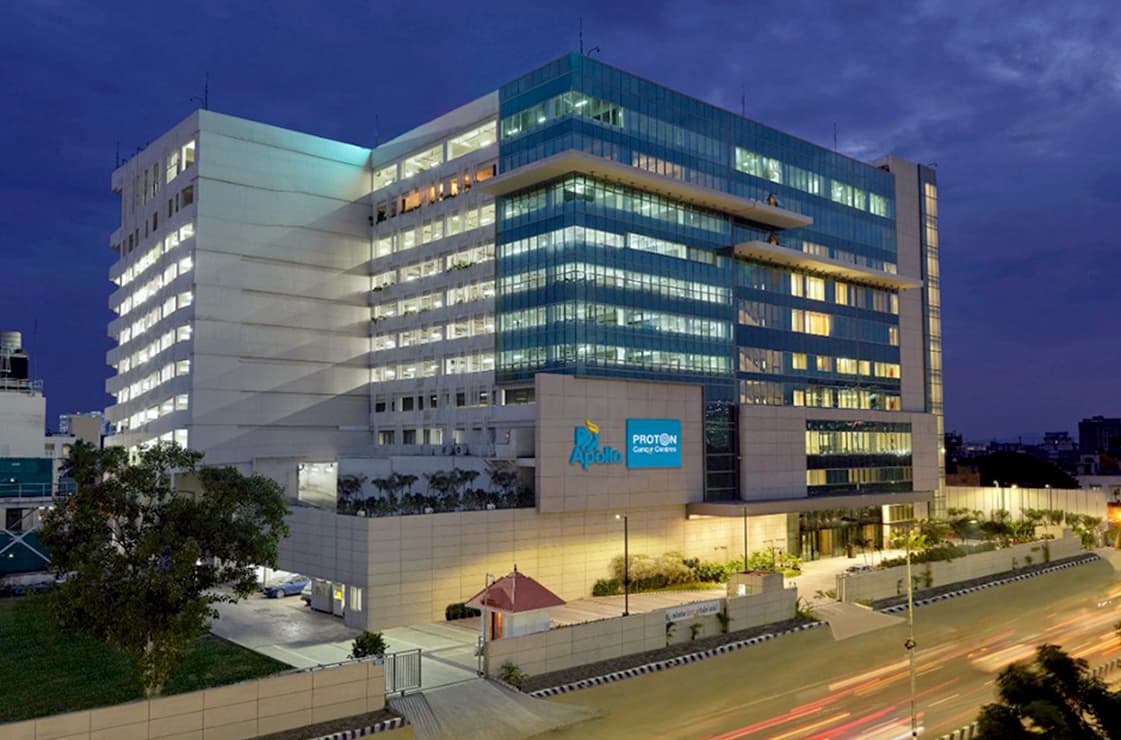
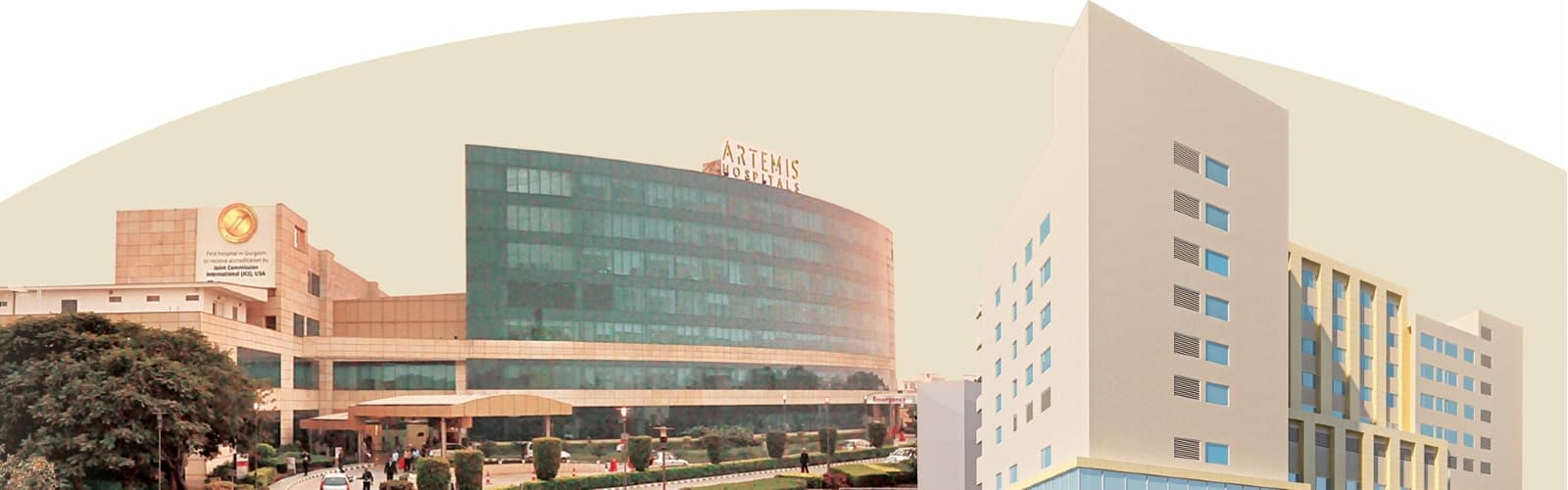
Hospitals for Trauma Reconstruction in India


With Travel4Treatment vs. On Your Own
Coordinating treatment abroad alone takes weeks. We handle every step — at zero cost to you.
Free. No service fees. Ever.
With Travel4Treatment
- Free consultation with a dedicated case manager
- Vetted JCI-accredited hospitals matched to your case
- Doctor's written second opinion before you travel
- Visa invitation letter and embassy guidance
- On-the-ground translator on day of admission
- Insurance liaison and claim documentation help
- 24/7 WhatsApp support before, during, and after
- Post-treatment follow-up coordinated with local doctor
On Your Own
- Hours of research, no expert to ask
- Guesswork on which hospital to trust
- Pay $300–$1,000 for an independent second opinion
- Visa rejections common without medical letter
- Communication breakdowns at critical moments
- Reimbursement claims often denied for missing paperwork
- Time-zone gaps when something goes wrong
- Discharge papers in a foreign language, no follow-up plan
We're paid by partner hospitals — never by patients. Your quote is the hospital's quote, end-to-end.
Patient information by country
Explore existing country guides for travel planning and questions to discuss with our care team.
Before you choose a hospital
Ask for an itemized estimate covering the procedure, hospital stay, tests and medicines. Confirm separately what is included for accommodation, travel, a companion and follow-up. Your treating team should confirm suitability, recovery and travel timing for your case.
Frequently Asked Questions
What types of injuries require trauma reconstruction surgery?
Trauma reconstruction is typically needed for complex fractures, crush injuries, non-union or malunion of bones, severe ligament and tendon tears, joint dislocations with tissue damage, and injuries sustained in accidents or falls. The goal is to restore form and function to the affected area.
How long does rehabilitation take after trauma reconstruction?
Rehabilitation duration varies widely depending on the severity of the injury and the specific procedure performed. Minor reconstructions may require 6 to 8 weeks of rehabilitation, while more complex cases involving multiple structures can take 4 to 12 months. A dedicated physiotherapy program is essential for optimal recovery.
Can trauma reconstruction surgery be performed months or years after the original injury?
Yes, delayed reconstruction is common and often necessary. Many trauma patients seek corrective surgery months or years after the initial injury to address malunion of bones, joint stiffness, chronic pain, or unsatisfactory results from previous surgeries. International orthopedic centers regularly treat such cases using advanced techniques including corrective osteotomy, bone grafting, and joint reconstruction.
What imaging and medical records should I bring for a trauma reconstruction consultation?
Bring all available imaging studies (X-rays, CT scans, MRI) of the injured area, along with operative reports from any previous surgeries, discharge summaries, and a list of current medications. Digital copies on CD or USB drive are ideal. Sharing these records in advance allows the surgical team to prepare a preliminary treatment plan and provide an accurate cost estimate before you travel.
Are custom implants and 3D-printed devices available for complex trauma reconstruction abroad?
Yes, many leading international hospitals have access to 3D printing technology for creating patient-specific implants, surgical guides, and anatomical models used in preoperative planning. This technology is particularly valuable for complex cases involving bone loss, deformities, or revision surgeries where standard implants may not provide an optimal fit. The cost of these custom solutions abroad is typically a fraction of what patients would pay in the US or UK.