Valve Repairs & Replacements in India
Save up to 89%Compare hospitals and planning costs for your treatment in India. Our care team helps coordinate hospital selection, travel and follow-up. No service fees for patients.
Planning range: $9,000–$18,000
Planning estimate, not a hospital quote. Confirm the procedure, inclusions, and current price with our care team.
Request my treatment estimate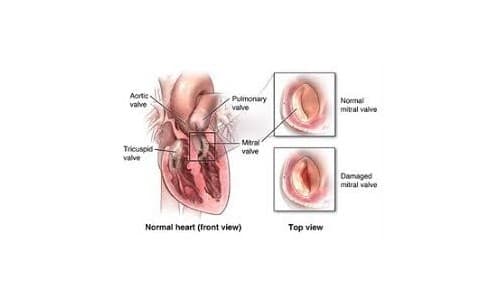
About Valve Repairs & Replacements
Procedures to repair or replace damaged heart valves, including mitral and aortic valve surgeries.
Cost of Valve Repairs & Replacements in India
India
$9,000 – $18,000
US reference range
$80,000 – $170,000
Estimated savings
Up to 89%
Hospitals for Valve Repairs & Replacements in India





With Travel4Treatment vs. On Your Own
Coordinating treatment abroad alone takes weeks. We handle every step — at zero cost to you.
Free. No service fees. Ever.
With Travel4Treatment
- Free consultation with a dedicated case manager
- Vetted JCI-accredited hospitals matched to your case
- Doctor's written second opinion before you travel
- Visa invitation letter and embassy guidance
- On-the-ground translator on day of admission
- Insurance liaison and claim documentation help
- 24/7 WhatsApp support before, during, and after
- Post-treatment follow-up coordinated with local doctor
On Your Own
- Hours of research, no expert to ask
- Guesswork on which hospital to trust
- Pay $300–$1,000 for an independent second opinion
- Visa rejections common without medical letter
- Communication breakdowns at critical moments
- Reimbursement claims often denied for missing paperwork
- Time-zone gaps when something goes wrong
- Discharge papers in a foreign language, no follow-up plan
We're paid by partner hospitals — never by patients. Your quote is the hospital's quote, end-to-end.
Patient information by country
Explore existing country guides for travel planning and questions to discuss with our care team.
Before you choose a hospital
Ask for an itemized estimate covering the procedure, hospital stay, tests and medicines. Confirm separately what is included for accommodation, travel, a companion and follow-up. Your treating team should confirm suitability, recovery and travel timing for your case.
Frequently Asked Questions
What is the difference between valve repair and valve replacement?
In valve repair, the surgeon reconstructs the existing valve to restore proper function, often preserving the patient's own tissue. In valve replacement, the damaged valve is removed and substituted with a mechanical valve (made of durable materials) or a biological valve (made from animal or human tissue). Repair is generally preferred when feasible, as it carries lower long-term risks and often eliminates the need for lifelong blood-thinning medication.
Are minimally invasive options available for valve surgery?
Yes. Many leading hospitals now offer minimally invasive valve surgery through small incisions, as well as catheter-based procedures such as TAVR (Transcatheter Aortic Valve Replacement) and MitraClip for mitral valve repair. These approaches often result in shorter hospital stays, reduced pain, and faster recovery compared to traditional open-heart surgery. Your surgeon will determine the best approach based on your anatomy and overall health.
Will I need to take blood-thinning medication after valve surgery?
It depends on the type of valve used. Mechanical valves require lifelong anticoagulation therapy with warfarin to prevent blood clots from forming on the valve. Biological valves typically require anticoagulation for only 3 to 6 months after surgery. Your cardiologist will monitor your blood-thinning levels regularly and adjust the dosage as needed, which can be managed by your local physician after returning home.
How long should I plan to stay abroad for heart valve surgery?
Most patients should plan for a total stay of 2 to 3 weeks abroad. This includes preoperative tests and consultations (2 to 3 days), the surgery and hospital stay (5 to 7 days), and a post-discharge recovery period before being cleared to fly (7 to 10 days). Your medical tourism coordinator will help arrange suitable accommodation near the hospital for the recovery period.
How do I choose between a mechanical and a biological heart valve?
The choice depends on your age, lifestyle, and medical history. Mechanical valves last a lifetime but require daily blood-thinning medication and regular blood tests. Biological valves avoid the need for lifelong anticoagulation but may need replacement after 10 to 20 years. Younger patients may opt for a mechanical valve to avoid reoperation, while older patients often prefer a biological valve. Your surgeon will discuss the trade-offs in detail during your consultation.